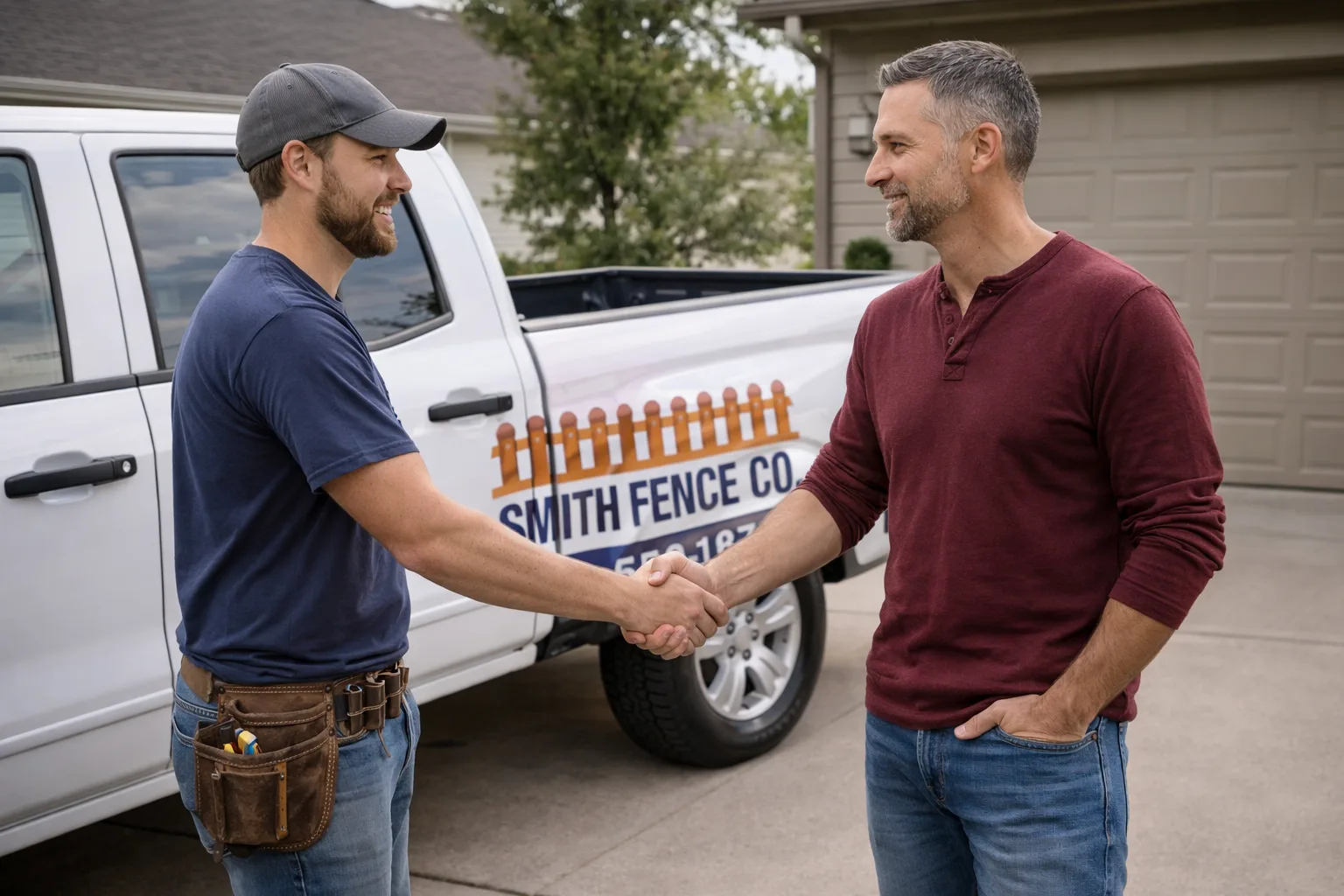
Best Fence Companies in Ohio: What to Look For
How to Tell a Good Ohio Fence Contractor from a Bad One
Ohio has no statewide fence contractor license requirement. That means almost anyone can legally call themselves a fence company — which puts the burden of vetting squarely on you. The good news: the contractors worth hiring make it easy. They carry insurance, pull permits, put everything in writing, and don't pressure you to sign on the spot.
Here's exactly what to check before you hire.
Verify Insurance Before Anything Else
This is non-negotiable. Reputable Ohio fence contractors carry two types of coverage: general liability insurance (minimum $1 million) and workers' compensation if they have employees. Ask for certificates of insurance before work begins — not after.
Why it matters: if a worker is injured on your property or a post goes through your neighbor's siding, an uninsured contractor leaves you holding the bill. Legitimate companies hand over insurance certificates without hesitation. If a contractor stalls, makes excuses, or refuses — walk away.
What Experience Actually Looks Like in the Fence Industry
Five years in business is a reasonable minimum. Less than that and you're often dealing with a contractor still learning how to price jobs, manage timelines, and handle problems when they come up.
Beyond tenure, local knowledge matters. Ohio's soil varies significantly — northern Ohio has clay and glacial deposits that affect post depth and drainage; southern Ohio has rockier terrain that changes how posts are set. A contractor who has worked your county understands these conditions. Ask for references from projects in your zip code and actually call them. Five minutes with a previous customer tells you more than any review site.
How to Read Ohio Fence Contractor Reviews
Start with Google. Look for 4.3 stars or higher with at least 20 reviews — that indicates consistent quality over time, not just a few good jobs. Check the BBB for any complaint history and look for an A or A+ rating.
Read the negative reviews carefully. One complaint about a delayed start date doesn't disqualify a company. A pattern of poor communication, billing disputes, or unfinished work does. Pay attention to how the company responds to criticism — professional contractors address concerns directly. Defensive or dismissive responses are a red flag of their own.
Get Three Written Quotes — and Know What to Compare
Never hire based on a phone estimate. Get at least three written quotes and make sure each one includes:
- Exact materials — wood species, vinyl brand and grade, or metal gauge
- Post depth and concrete specifications
- Project start and end dates
- Payment schedule
- What site cleanup and debris removal are included
A standard Ohio fence payment schedule runs 25% down, 50% at substantial completion, and 25% after final inspection and cleanup. Any contractor asking for full payment upfront is a red flag. So is a bid that comes in significantly lower than the others — it usually means cheaper materials or corners being cut on labor.
Red Flags That Should End the Conversation
Stop the process immediately if a contractor:
- Can't produce proof of insurance
- Insists on cash-only payment
- Won't provide a written contract
- Showed up at your door after a storm (these are often transient operations that disappear once your check clears)
- Asks for full payment before work begins
- Can't name the specific materials they plan to use
Ohio gets significant storm seasons. Door-to-door contractors spike after hail and wind events — be especially cautious in spring and summer.
Questions to Ask Every Ohio Fence Contractor Before Signing
- How long have you been in business, and do you have local references?
- Are you insured? Can you provide certificates of liability and workers' comp?
- Do you pull permits, or is that the homeowner's responsibility?
- What specific brand, grade, and material will you use?
- How deep do you set posts and what concrete mix do you use?
- What does cleanup include — who removes the old fence and debris?
- What warranty do you offer on materials and labor?
- Can I see a recent local project?
The contractors worth hiring answer these questions without hesitation. The ones who stall, deflect, or pressure you to decide on the spot are telling you something.
Browse verified fence contractors in your Ohio city — every profile includes services offered, fence types, and contact info so you can compare and reach out directly.